Scotland – as part of the UK – left the European Union on 31 January 2020, with new arrangements taking effect from 1 January 2021. While our relationship with the EU has evolved, EU citizens remain welcome in Scotland and continue to make an invaluable contribution to our communities, economy and culture.
Today nearly 250,000 EU citizens call Scotland home, and their varied cultures and lifestyles help make Scotland such a vibrant, inclusive nation.
We also know that there are many more who dream of joining this number and want to make Scotland their new home. We’ll always be open to you and the warm welcome that Scotland is so famous for will always be waiting for you on our shores.
For many years, Scotland and the EU have mutually benefitted from the incredible contributions our citizens have made to each other – and to the rest of the world.
From the life-changing contribution EU citizens have made while working on front line healthcare systems like our world-famous NHS, right through to the collaborative projects and initiatives designed to tackle global issues like climate change – we make a great team.
For example – did you know that Scotland is Europe’s leading renewable energy hub? We share a commitment to ensuring that our world is a greener, cleaner place for future generations to enjoy. Not only are we home to the world’s largest operational and consented tidal stream array project, Scotland also plays a leading role in renewable energy development.
Scotland’s installed offshore wind and onshore wind capacity contributes a significant share of the UK’s renewable energy generation, and the potential for future growth across wind and marine energy technologies remains strong.
Scotland’s Orkney Islands are also home to the European Marine Energy Centre (EMEC), the world's only Renewable Energy Test Laboratory for marine energy recognised by the International Electrotechnical Commission System for Certification to Standards Relating to Equipment for Use in Renewable Energy Applications (IECRE).
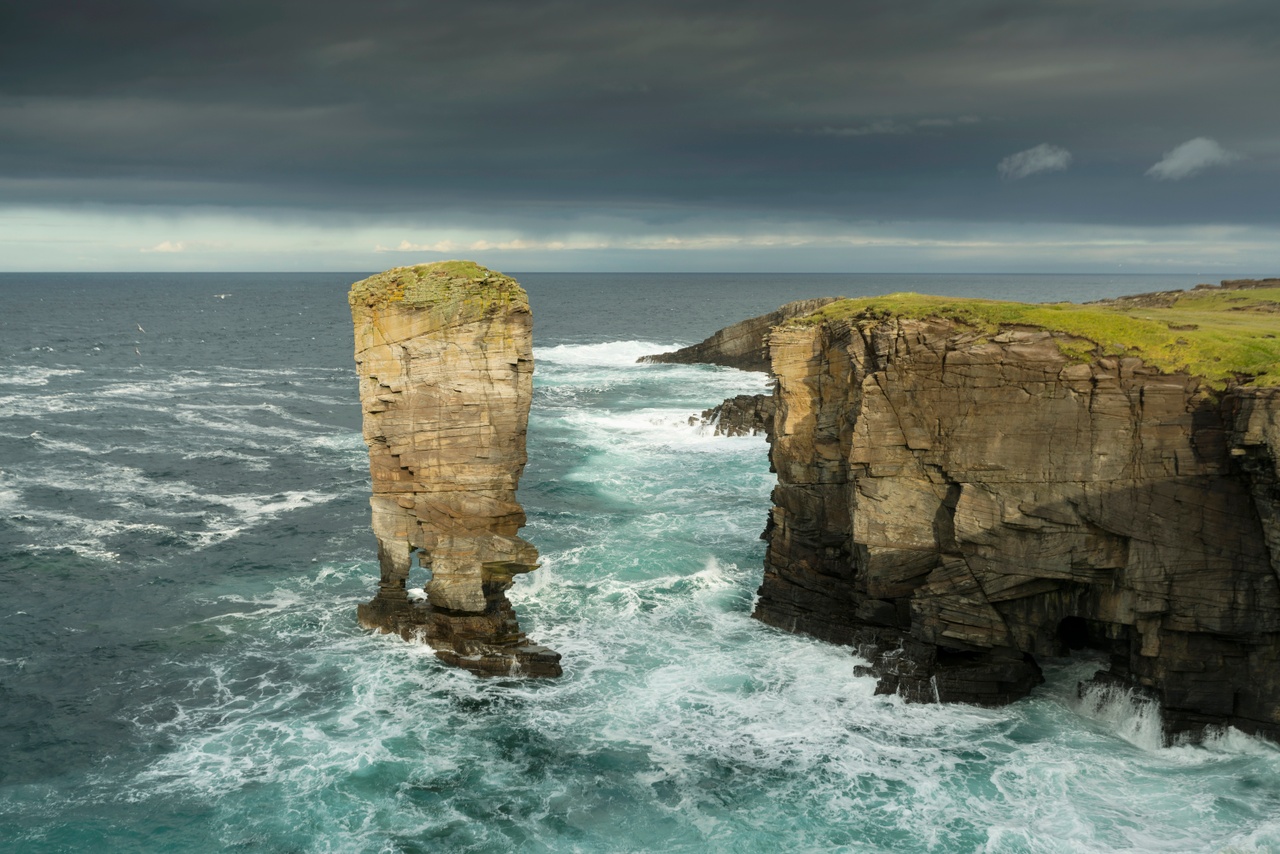
Yesnaby Sea stack in Orkney
Scotland continues to place sustainability, wellbeing and climate action at the heart of our long-term economic and social development. As we look to the future, we remain committed to working with European partners to deliver a fairer, greener and more prosperous society for all.
When it comes to creating a better, fairer society for our citizens, Scotland and the EU are also in lockstep. We have several innovative policies that are dedicated to creating a fairer society. For example, every single baby born in Scotland is entitled to one of our amazing Baby Boxes – because we want every child to have an equal start in life.
We also became the first country in the world to offer free period products to anyone who needs them. We know there is still a long way to go – but we’re dedicated to continuing to lead the charge and we’d love it if you joined us.

Scotland remains an open, welcoming nation with strong and enduring ties to Europe. Our homes, workplaces and universities continue to benefit from the talent, ideas and energy of people from across the EU. We are committed to providing clear information and practical support to help you navigate the current arrangements with confidence.
So, whether you’re already in Scotland and seeking reassurance, or you’re keen to start your journey here, we’ve pulled together all the information and links you need to begin.
What this means for you
If you’re an EU citizen already living in Scotland, you may have engaged with the EU Settlement Scheme (EUSS). The scheme closed to most new applicants on 30 June 2021.
Only certain people can still apply, such as joining family members, children born in the UK to EUSS parents, or those making a late application where there are reasonable grounds. Since 2023, many EU citizens with pre-settled status have been automatically granted settled status by the Home Office.
The following links provide further information and guidance on the EU Settlement Scheme and your rights:
Organisations including Settled, the Citizens Rights Project, Citizens Advice Scotland, and the International Organization for Migration (through COSLA) can also provide practical support to EU citizens in Scotland who need advice or assistance in relation to the EU Settlement Scheme.
Are you an EU citizen and want to move to Scotland?
If you are considering moving to Scotland, Scotland’s Migration Service (SMS) can provide practical information about moving to, living and working in Scotland, including visa and relocation guidance.
Are you an EU citizen and want to study in Scotland?
We’re home to more world-class universities per head of population than almost any other country in the world and welcome more than 50,000 international students every year. The situation regarding studying in Scotland will vary depending on where you would like to study, so we recommend visiting the specific university you wish to attend.
Find out more about Scotland’s universities.
Are you an EU Citizen and want to visit Scotland?
We continue to welcome visitors from across Europe and beyond. If you’re planning a trip to Scotland, you can find the latest information on entry requirements and travel guidance below. If you’re wondering how your dream holiday to Scotland may be affected by Scotland leaving the EU, our friends at VisitScotland have all the information you need.
Find out more at VisitScotland (visitscotland.com)
Are you an EU citizen and want to do business in Scotland?
We know better than most that the business world doesn’t stop for anyone or anything and you don’t need to worry – Scotland is still open for business. Scotland’s enterprise and skills agencies continue to provide practical guidance and support for businesses navigating the UK’s new relationship with the EU and international markets.
Are you a non-EU citizen and want to visit Scotland?
If you’re from a non-EU country looking to travel to Scotland, immigration and visa requirements depend on your nationality and purpose of travel. We recommend checking the latest UK Government guidance before making travel or relocation plans.
Find out more about the information and support provided by Scotland’s Migration Service.