In Scotland a clan is still a legally recognised group with an official clan chief. The chief's Seal of Arms, incorporated by the Lord Lyon's letters Patent, is the seal of the corporation and only the chief has the legal right to use the seal on behalf of his clan.
"For that is the mark of the Scot of all classes . . . there burns alive in him a sense of identity with the dead, even to the twentieth generation." (RL Stevenson)
What is a clan?
A clan is a group of people united by a common surname, they may be linked through actual familial ties or by perceived kinship. Clan names are usually associated with land, the area of Scotland where the group lived. Living off the land, cattle was their main source of wealth and, along with border disputes, the prime cause of inter-clan unrest.
Clan members organised themselves around a central member, the leader of the clan or ‘chieftain’. The most important clan chiefs held power over the lands within their control, acting as a king, protector and judge. If a clan chief expanded territory, the new peoples swearing him allegiance often took the clan name.
So, the history of clans is complex and interwoven and finding out which clan you belong to can depend on which era of history you're looking at. There were also many bitter rivalries and feuds along the way, none of which have been carried through to the modern day, fortunately!
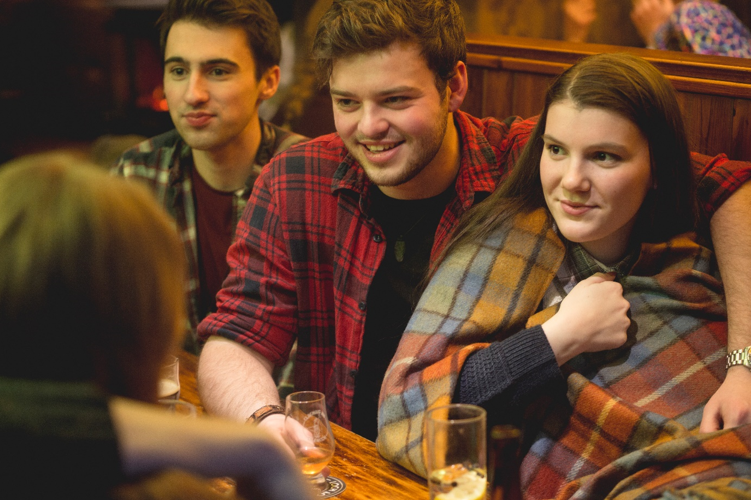
Clan History
The clans were the main political system in Scotland until the time of the battle of Culloden in 1746, when the Jacobite rebellion was crushed by the royal troops of King George II. The last major battle to take place on British soil, Culloden was perhaps the most devastating event to ever overtake Scotland with most of the Scottish soldiers not surviving the fight.
The defeat at Culloden meant that Scotland was once again under the control of the English. Clan culture was never to be the same again with so many clansmen lost on the battlefield, and once the Act of Proscription was put in place in 1746 the playing of bagpipes, clan tartans and speaking Gaelic were all outlawed. The Heritable Jurisdictions Act also came into play in 1746 and essentially removed any land authority that surviving clan chieftains had, with all ownership reverting to the Crown.
From 1750, residents of the Highlands were pushed out of their homes. Landlords realised that keeping sheep on their land was more lucrative than the families currently residing there, due to the booming wool trade at the time. Clans people were forced to move into crofting communities where people who had been farmers all their lives had to learn a new skill such as fishing or quarrying.
Over the years the crofting communities, which were home to thousands who had been pushed out of the highlands, became overcrowded, and so began the trend of ‘assisted passages’. Landlords would pay for their tenants to emigrate overseas so that they would no longer be a burden. And so, thousands of Scots emigrated to the New World (some with no choice), some seeking a better life and some hoping that one would find them on new shores.
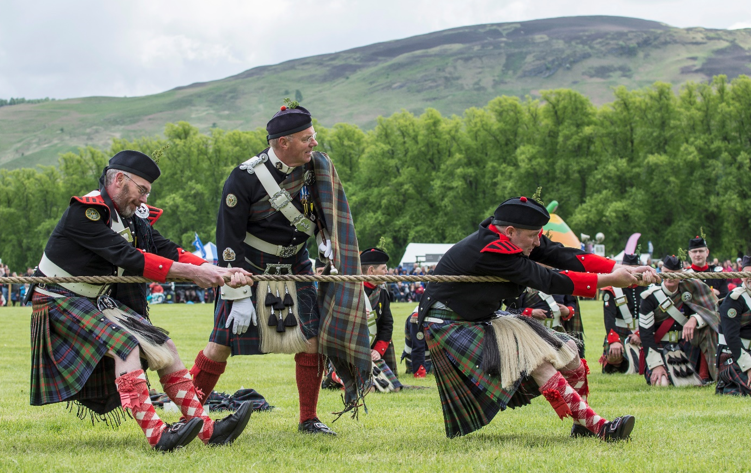
Clan Legacy
Many clans have their own tartan as well as a seal and deciding which tartan to wear is often based on family history. For many families of Scots descent, it’s hard to work out the appropriate clan as some surnames are Scotland wide or have variations in spelling. But most Scots or people of Scots descent can work out their clan with a little research into family history.
Popular culture continues to make references to clans and clan culture today. Films such as Braveheart, Rob Roy and Outlaw King as well as television series such as Outlander portray Scotland’s clan culture to audiences around the world.
The effects of emigration, whether it’s from the Highland Clearances or more recent emigration trends, mean that Scottish influences can be found in far flung places, like Gaelic speakers in Canada and Highland Games in Kuala Lumpur. Despite the end of the traditional system, Scottish clan culture has found its way into countries and traditions the world over.